
A Weight-Inclusive Postpartum Nutrition Guide
Postpartum nutrition cannot be overlooked or underestimated. This period asks a great deal of your body.
You’re healing from birth, running on broken sleep, and possibly feeding a baby every few hours. Unfortunately, at the same time as all this is happening, when you’re not really yourself and finding your footing, you may also be hearing messages about “bouncing back” from social media, well-meaning relatives, and sometimes their own healthcare providers.
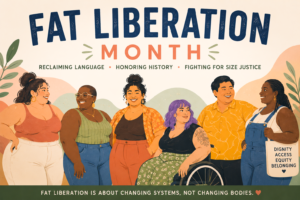
At Metrowest, we take nutrition seriously and bring a weight-inclusive approach. Our focus is on helping you feel nourished, steady, and cared for during a season of enormous change.
This mini-guide covers what your body needs right now, how intuitive eating might look, and a few practical ways to feed yourself well.
If you are experiencing symptoms of postpartum depression or anxiety, please reach out to your healthcare provider or contact the Postpartum Support International HelpLine at 1-800-944-4773. If you are in crisis, call or text 988.
👉 Also for mental health or nutrition support? Let’s talk. Get started today.
What Your Body Needs Right Now
Your body is doing a lot of repair work after birth, and if you are breastfeeding or chestfeeding, it is also making milk. According to the CDC, breastfeeding parents generally need more energy, and the amount depends on things like age, activity level, and whether they are exclusively breastfeeding or combining breast milk and formula.
Recommended amounts of some nutrients, including iodine and choline, also go up during breastfeeding. Many new parents notice they feel hungrier than usual, and that hunger is useful information from your body.
While we’re talking about nutrition, let’s talk about iron, which deserves special attention. A 2022 meta-analysis found that women who were iron deficient or anemic after birth were about 1.66 times as likely to have depressive symptoms. The study authors concluded that restoring iron levels improved both fatigue and depression symptoms.
Exhaustion comes with caring for a newborn, no doubt about it. But fatigue that feels heavier than sleep loss alone is important to bring up with your provider.
👉 Also From Our Blog: Postpartum Body Image and Disordered Eating – Moms Need Care Too!
The Case for Intuitive Eating After Birth
Intuitive eating is a framework built around trusting your hunger, fullness, and satisfaction cues and making peace with food. While we love this framework for many people, we like how it can be especially useful in postpartum.
In a 2020 study of 419 postpartum women, those with intuitive eating styles had higher body image satisfaction, fewer disordered eating attitudes, and lower depressive symptoms.
A recent replication study found that while social pressure to “bounce back” and unrealistic body expectations put postpartum women at risk for body dissatisfaction, depression, and disordered eating, intuitive eating was associated with lower levels of body dissatisfaction, disordered eating, and depression.
These studies show associations and can’t prove cause, but they do give us some tools to work with to ensure you’re nourishing your mind and body as you navigate postpartum.
Five Practical Ways to Nourish Yourself Postpartum
We know staying nourished can be hard during the postpartum season. You’re tired, learning a whole new set of skills, recovering from birth, and more. So we want to share some practical skills you might find helpful.
1. Eat regularly, even if meals look different now
Long stretches without food can leave you shaky, irritable, and ravenous, which is hard on anyone and even harder with a newborn. Plan to eat something every few hours. A handful of crackers and cheese while you feed the baby counts just as much as a smoothie. The goal is to get nutrients however is easiest.
2. Keep one-handed foods within reach.
Stock easy options in the places where you spend the most time, like the nursery, the couch, or your nightstand. We love keeping granola bars, trail mix, fruit, muffins, and a big water bottle nearby at all times so you can respond to hunger and thirst, even when your hands are full or you’re nap-trapped.
3. Ask about iron and other lab work.
If you feel drained, foggy, or low in a way that seems bigger than the result of standard newborn sleep loss, check your iron levels, including ferritin. Plus, beans, lentils, red meat, poultry, fortified cereals, and leafy greens all contain iron, which is a great quick and easy starting place. A little nutrition trick we love: pair plant sources of iron with foods rich in vitamin C helps your body absorb the nutrients.
4. Set boundaries around weight talk.
Did you know you can ask to skip the scale at appointments or to have your weight taken without hearing the number? All you have to say is: “I’d prefer not to discuss my weight today.” This can help you stay focused on how you are feeling rather than the size of your body, which is likely not an important detail in your recovery.
You can do this with friends and family, as well, if needed. Gently steer conversations about your body toward how you are adjusting to life with a baby or clearly state: “I’m not worried about my body size right now, and I’d prefer if you don’t either.”
5. Let people feed you.
Accepting help with meals is one of the most practical forms of self-care. Meal trains, freezer meals, grocery delivery, and a friend who drops off soup all make a difference. If food, body image, or mood feel especially hard right now, a weight-inclusive dietitian or therapist can provide you with steady, nonjudgmental support to ensure you’re getting the nourishment you need.
Nutrition is a Key Part of Postpartum Bliss
Your body has been through something remarkable, and it deserves (and needs) nourishment. Without it, sleep loss can feel even harder, and you might struggle to be present with all that the newborn phase has to offer.
At Metrowest Nutrition and Therapy, our multidisciplinary team offers weight-inclusive, evidence-based treatment through a collaborative care model, so your nutrition and mental health care work together. If you’re struggling with eating, body image, or postpartum mood, we get it, and we’re here to help.