Postpartum Body Image and Disordered Eating – Moms Need Care Too!
Postpartum Body Image and Disordered Eating – Moms Need Care Too!
Bringing a baby into the world is exciting, scary and completely life-changing. Along with the full-time task of caring for a little human, new moms face significant body changes, sleep disruption and little time to care for themselves. Many also experience shifts in mood brought on by hormonal changes. This can be even more intense for first time moms whose lives have completely changed.
If you’re finding yourself struggling with food, exercise, weight concerns, or body image during pregnancy or after childbirth, you’re not alone. And more importantly, you don’t have to go it alone
Perinatal Body Changes Are Hard
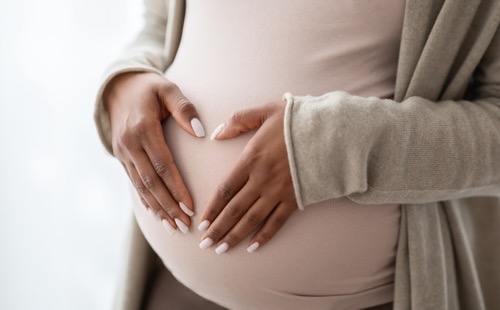
Pregnancy and postpartum bring rapid and visible physical changes. Weight fluctuations, body shape changes, swelling, hormonal shifts, and changes in physical abilities can feel difficult to process in a culture that places so much emphasis on appearance and “bouncing back.”
Even individuals who have spent years healing their relationship with food and body image may find themselves feeling vulnerable during this season of life.
This might look like:
- Increased body checking or body dissatisfaction
- Anxiety about pregnancy weight gain
- Fear of postpartum weight retention
- Returning to restrictive eating patterns
- Feeling pressure to “earn” food through exercise
- Obsessive thoughts about food, weight, or body shape
- Compulsive movement or exercise
- Guilt after eating
- Difficulty trusting hunger and fullness cues
These patterns may emerge during pregnancy, shortly after birth, or even months into the postpartum period.
An Eating Disorder May Resurface
Research suggests that pregnancy and postpartum can be periods of increased risk for relapse among individuals with a history of eating disorders. Even if symptoms do not meet the criteria for a formal eating disorder, disordered eating behaviors can significantly impact physical and emotional wellbeing.
Many people are surprised when old thoughts return.
You may find yourself thinking:
- “I thought I had worked through this.”
- “Why am I struggling again?”
- “I should be focused on my baby, not my body.”
The truth is that relapse or symptom resurgence is not a failure. Pregnancy and postpartum involve major biological, psychological, and social transitions. These changes can activate old coping mechanisms, especially during times of stress, sleep deprivation, or heightened vulnerability.
The Impact on Mental Health
Body image struggles rarely occur in isolation. There are underlying psychological issues at play,
Perinatal body dissatisfaction is often linked with increased anxiety, depression, perfectionism, and feelings of isolation. When eating disorder symptoms resurface, individuals may withdraw from support, avoid social situations, or feel shame about asking for help.
Addressing these concerns early can improve both mental health and quality of life during pregnancy and postpartum.
Support Is Available
It’s important to know that you are not alone in this. One of the most effective approaches to recovery during the perinatal period is building a collaborative care team that addresses both physical and emotional wellbeing. Caring for yourself will allow you to better care for your little one AND enjoy this time so much more.
A collaborative team can provide support during this important time
Working with a Registered Dietitian
A registered dietitian who specializes in eating disorders and perinatal nutrition can help you:
- Navigate changing nutritional needs during pregnancy and postpartum
- Rebuild trust with hunger and fullness cues
- Reduce food-related anxiety
- Challenge restrictive food rules
- Support recovery while meeting your health goals
- Develop a compassionate relationship with your changing body
We have dietitians who specialize in both eating disorder recovery and perinatal nutrition, helping individuals navigate this unique life stage with evidence-based, non-diet support. We also offer psychotherapy and medication management as part of our integrated approach to care.
Working with a Therapist
A therapist can help address:
- Body image concerns
- Anxiety and depression
- Identity shifts associated with parenthood
- Perfectionism
- Trauma history
- Relapse prevention planning
Therapy provides a space to process the emotional aspects of pregnancy and postpartum that often influence eating and body image concerns.
Working with a Prescriber
Hormonal changes, sleep deprivation, anxiety, depression, OCD, and other mental health conditions can all affect recovery. 1 in 5 (20%) of women experience postpartum mood disorder. It is even more common in women with eating disorder histories. Postpartum depression and anxiety are serious and potentially dangerous conditions. Medication is highly effective in treating it.
Even for individuals not struggling with postpartum mood disorder, working with a psychiatric prescriber can be an important part of treatment. Medication can help reduce symptoms that contribute to eating disorder thoughts and behaviors, allowing recovery work to feel more accessible and sustainable.
A comprehensive care team often includes a therapist, registered dietitian, primary care provider, OB-GYN, and psychiatric provider working collaboratively to support the whole person.
The Power of Community
As the saying goes “it takes a village”. Unfortunately, in our modern world, that village can be harder to find. Motherhood can be isolating. This adds to the risk of eating disorders, depression and anxiety.
One local resource we love is The Herd, a community-focused organization in Hopkinton dedicated to supporting expecting and postpartum parents through support groups, educational programming, wellness classes, and connection with trusted providers. Founded by a lactation educator and a perinatal mental health therapist, The Herd was created to help bridge the gap in postpartum support and foster meaningful community for families.
Their mission reflects something we deeply believe: motherhood was never meant to be done alone. Community, connection, and compassionate support can be powerful protective factors during the perinatal period.
You Deserve Support
If you’re struggling with body image, food, exercise, or eating disorder thoughts during pregnancy or postpartum, know that help is available.
You do not have to wait until things feel “bad enough” to seek support. Early intervention can make a meaningful difference, helping you reconnect with your body, nourish yourself adequately, and focus more fully on the experiences and relationships that matter most.
Your body is doing extraordinary work. You deserve care that honors that reality with compassion, expertise, and support.
We got you! Reach out today.